Local Guides
Gray and Black Water Explained
Understand the differences between gray and black water, their impacts, and how to manage these issues in Fort Lauderdale.
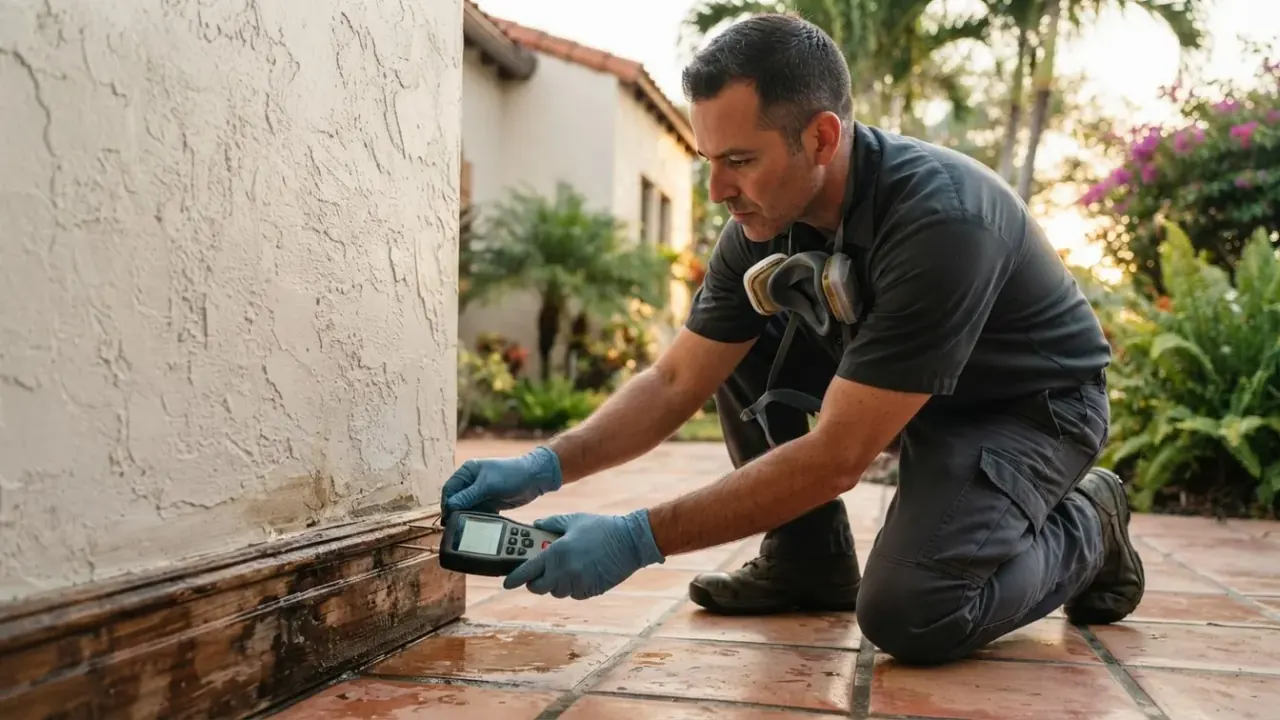
Gray and black water refers to two types of wastewater that require different handling methods in Fort Lauderdale. Understanding gray and black water is crucial for homeowners to properly manage water damage and sanitation issues.
Gray water is any wastewater generated from household activities like bathing, laundry, and dishwashing, while black water contains harmful pathogens and comes from toilets or sewage systems. This article will explore the differences between gray and black water, common issues in Fort Lauderdale, and how to manage them effectively.
What is Gray and Black Water?
Gray and black water explained Fort Lauderdale means recognizing the specific sources and risks associated with each type of water. Gray water is less contaminated than black water and can sometimes be reused for irrigation or toilet flushing, while black water poses serious health risks due to its contents.
Understanding Gray and Black Water in Fort Lauderdale
Understanding gray and black water Fort Lauderdale is essential for maintaining a healthy home environment. In Fort Lauderdale, the warm climate can exacerbate issues related to water damage, making it even more important to identify and address water contamination promptly.
Common Sources of Gray Water
- Showers and bathtubs
- Washing machines
- Sinks and dishwashers
Common Sources of Black Water
- Toilets
- Flooding from sewage systems
- Kitchen waste disposal units
Differences Between Gray and Black Water in Fort Lauderdale
The differences between gray and black water Fort Lauderdale can be summarized in terms of contamination levels and health risks. Gray water typically contains soap, food particles, and grease, which can cause minor issues if not managed properly. Black water, on the other hand, can contain bacteria, viruses, and parasites, necessitating immediate professional intervention.
Health Risks
Exposure to gray water can lead to minor skin irritations, while black water exposure can result in severe gastrointestinal illnesses or infections. Understanding these differences helps homeowners take appropriate actions.
Gray and Black Water Issues in Fort Lauderdale
Gray and black water issues in Fort Lauderdale often arise from heavy rainfall or plumbing failures. Fort Lauderdale's tropical climate means that homeowners are at risk of flooding, which can introduce black water into their homes from sewage systems.
Impact of Local Weather
In Fort Lauderdale, heavy rains can overwhelm drainage systems, leading to sewage backups. This can result in black water flooding that requires immediate remediation.
How to Handle Gray and Black Water in Fort Lauderdale
Knowing how to handle gray and black water in Fort Lauderdale is vital for homeowners. For gray water, consider filtration systems or greywater recycling systems that can safely repurpose this water for irrigation. For black water, professional assistance is necessary.
Steps to Manage Gray Water
- Collect gray water in a separate tank.
- Use it for irrigation or toilet flushing, ensuring it is filtered.
- Regularly maintain your plumbing to prevent leaks.
Steps to Manage Black Water
- Evacuate the area immediately.
- Contact a professional for emergency water damage restoration Fort Lauderdale.
- Do not attempt to clean up black water yourself.
When to Call a Professional
When to call a professional is a crucial consideration for homeowners dealing with water issues. If you experience flooding, sewage backup, or persistent leaks, contacting Fort Lauderdale Water Damage Experts is essential for effective remediation.
Frequently Asked Questions
What is the difference between gray and black water in Fort Lauderdale?
The difference lies in contamination: gray water comes from sinks and showers, while black water originates from toilets and sewage, posing greater health risks.
How to manage gray and black water issues in Fort Lauderdale?
For gray water, consider recycling options; for black water, always call a professional service for safe cleanup and restoration.
Can gray water be reused?
Yes, gray water can be reused for irrigation or toilet flushing if properly filtered and maintained.
What are the health risks associated with black water?
Black water can contain harmful bacteria and viruses, leading to serious health issues like gastrointestinal infections.
How quickly should I respond to a black water issue?
Immediate action is crucial; contact a professional within hours to minimize damage and health risks.